When a loved one begins experiencing memory loss, confusion, or a dementia-related diagnosis, families are often faced with difficult and unfamiliar decisions. One of the most important is understanding what
memory care in San Diego actually looks like—and which options best support both safety and quality of life.
In San Diego, memory care can take several forms, but for many families, in-home support has become a preferred option because it allows individuals to remain in a familiar environment while still receiving structured, compassionate care.
At Memory Lane Village, we specialize in non-medical, dementia-focused in-home care designed to support both individuals and their families through every stage of cognitive change.
Understanding Memory Care in San Diego
Memory care is a specialized type of support designed for individuals living with Alzheimer’s disease, dementia, or other cognitive conditions. Unlike general caregiving, it focuses on:
- Maintaining daily routines and structure
- Supporting safety and supervision
- Reducing confusion and agitation
- Encouraging dignity and independence
- Providing emotional reassurance
In San Diego, families typically choose between two primary types of care:
- Residential memory care communities
- In-home memory care support
Both options provide structure and safety, but the environment and level of personalization can look very different.
In-Home Memory Care vs. Facility-Based Care
Many families initially consider memory care facilities, which provide structured environments, secured living spaces, and 24-hour supervision. These communities can be beneficial when a higher level of constant oversight is needed.
However, more families are choosing
in-home dementia care in San Diego for several reasons:
Familiar Environment
Remaining at home helps reduce confusion and anxiety, especially in early to mid-stage dementia. Familiar surroundings often provide comfort and stability.
Personalized Attention
In-home care allows support to be fully customized to the individual’s routines, preferences, and pace—without the structured schedule of a facility.
Family Involvement
Families stay closely involved in daily care, which helps maintain emotional connection and continuity.
Flexible Levels of Care
Support can increase or adjust over time, from part-time companionship to full daily assistance.
At Memory Lane Village, our approach is built around meeting clients where they are—literally and emotionally.
What Memory Care at Home Includes
Memory Lane provides non-medical, in-home dementia care across North County San Diego. Our services are designed to support both daily needs and overall well-being.
Care typically includes:
Personal Care Assistance
Help with bathing, dressing, grooming, and other daily routines—always delivered with patience and respect.
Companionship and Engagement
Meaningful interaction through conversation, music, reminiscing, and simple activities that encourage connection and reduce isolation.
Meal Preparation and Reminders
Support with nutritious meals and hydration reminders, tailored to personal preferences.
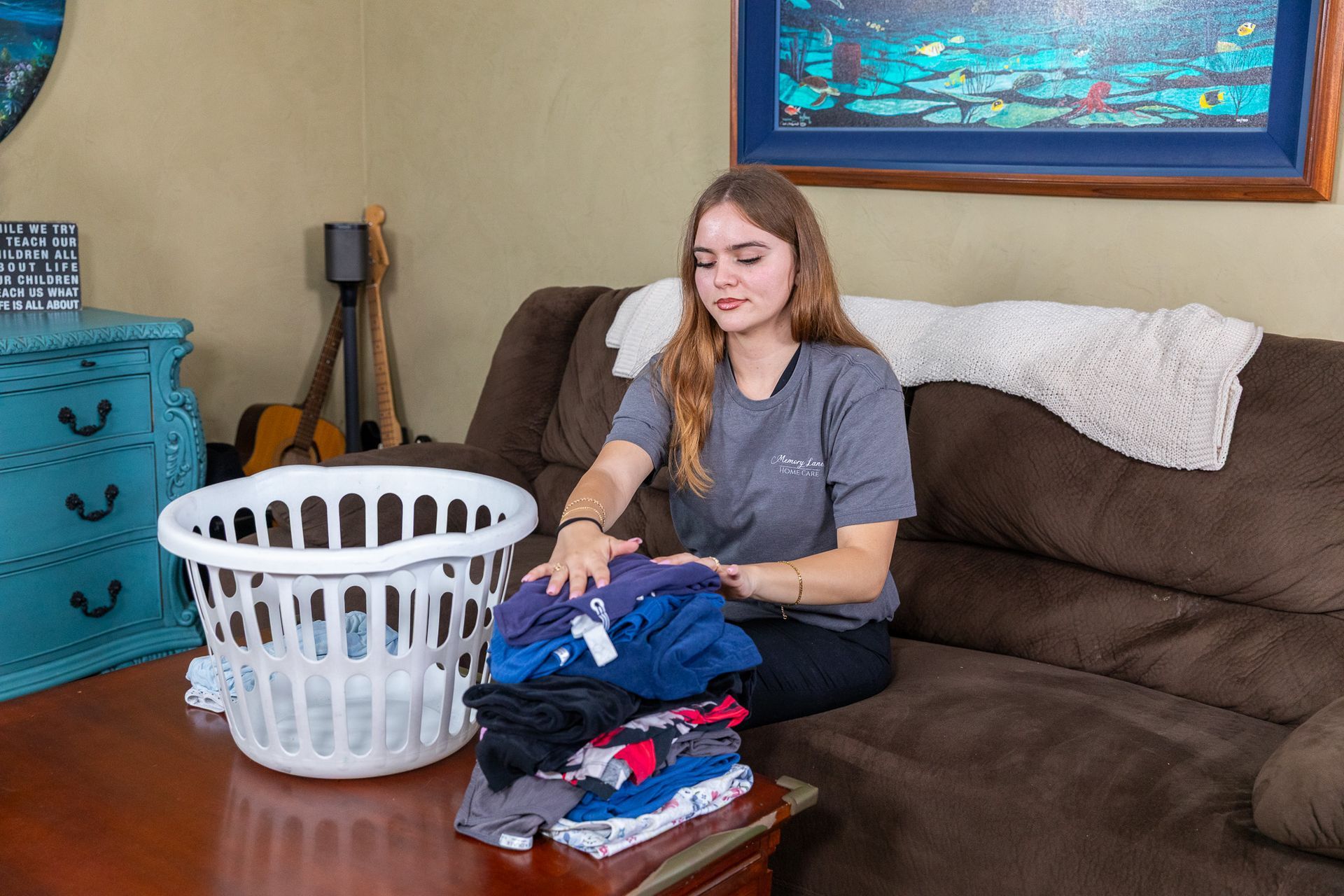
Light Housekeeping
Maintaining a clean, calm, and safe home environment.
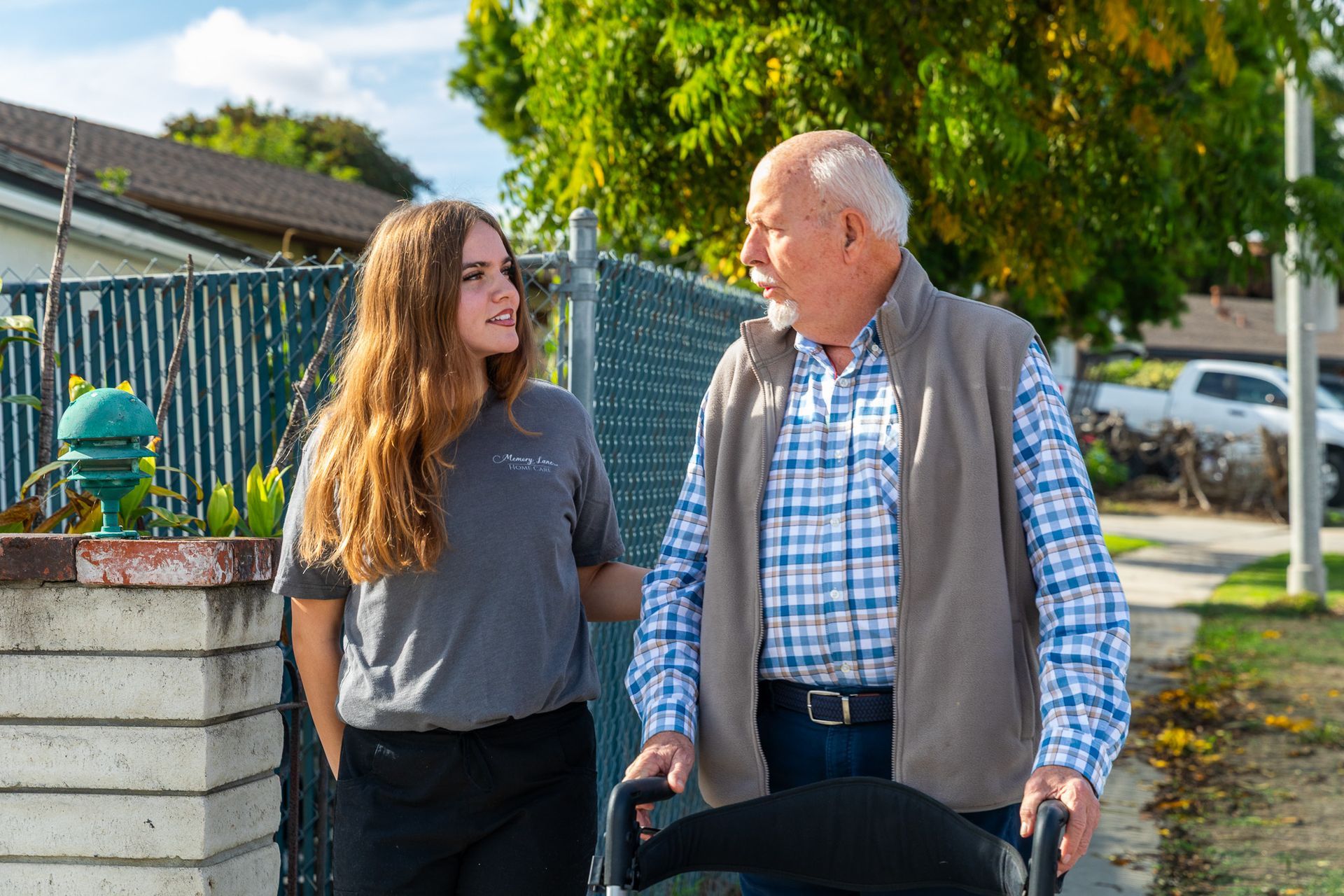
Transportation and Errands
Assistance with appointments, pharmacy visits, and everyday errands.
Dementia-Informed Care Techniques
Our caregivers use specialized approaches, including Positive Approach to Care® methods, to reduce stress and improve communication.
The Importance of Dementia-Specific Training
Not all caregiving is the same. Supporting someone with dementia requires specific training, patience, and communication skills.
At Memory Lane, caregivers are trained to:
- Respond calmly to confusion or agitation
- Use gentle cueing and redirection
- Maintain consistent routines
- Reduce overstimulation
- Preserve dignity in every interaction
This type of care is essential because dementia affects each person differently and changes over time.
Signs It May Be Time for Memory Care Support
Families often wait until a crisis occurs before seeking help, but early support can significantly improve quality of life.
Common signs that additional memory care may be needed include:
- Increasing forgetfulness that affects daily life
- Wandering or getting lost in familiar places
- Difficulty managing hygiene or meals
- Changes in mood, behavior, or safety awareness
- Caregiver burnout or exhaustion
Introducing support early allows for smoother transitions and more consistent routines.
Supporting Families, Not Just Individuals
Memory care is not only about the person experiencing cognitive decline—it’s also about supporting the family.
At Memory Lane, we understand that caregivers often feel overwhelmed, emotionally drained, and unsure of what comes next. That’s why we provide:
- Guidance on care decisions
- Education about dementia progression
- Flexible scheduling for relief and respite
- Consistent communication with families
Our goal is to reduce stress while improving overall quality of life for everyone involved.
Why Families Choose In-Home Memory Care in San Diego
Families across San Diego are increasingly choosing in-home dementia care because it offers a balance of safety, comfort, and personalization.
The most common reasons include:
- Staying in a familiar home environment
- Avoiding unnecessary transitions or relocations
- Maintaining routines and independence
- Receiving one-on-one attention
- Reducing stress for both client and family
For many, it becomes the most sustainable and compassionate long-term option.
Final Thoughts
Choosing the right
memory care in San Diego is one of the most important decisions a family can make. While facility-based care can be the right fit for some, in-home support offers a highly personalized alternative that prioritizes dignity, familiarity, and emotional well-being.
At Memory Lane Village, we are committed to providing thoughtful, dementia-informed in-home care that supports individuals where they are most comfortable—at home—and helps families navigate every stage with confidence and peace of mind.